Ask a Geriatrician: RSV (Respiratory Syncytial Virus)
Dr. Suzanne Salamon, Chief Associate of Clinical Geriatrics at Beth Israel Deaconess Medical Center, answers your general questions about aging and geriatric medicine.

What is RSV?
RSV is a virus which can cause cough, runny nose, sore throat, congestion, fatigue, fever, and wheezing. It’s a very common virus among children, but adults can get it also. Usually, it feels like a common cold, but it can lead to pneumonia and even death! Since we only recently started testing for it, it is believed that around 10,000 adults will die from RSV complications each year.
Transmission
RSV spreads easily from person to person, through coughing, sneezing, and even talking. The virus can remain on doorknobs and shopping carts. Children are what we call “super spreaders” who can bring home the virus and pass it on to parents and grandparents.
Symptoms begin a few days after exposure to the virus and generally last around 10 days, although a nagging cough can last for months.
Anyone can catch RSV, but people with immune systems that work less efficiently are at higher risk. This generally applies to people over age 75, although younger people with other chronic diseases are also more vulnerable. These are the people who are also at higher risk for developing RSV pneumonia.
Testing and Treatment
RSV is diagnosed like the flu or COVID, with a swab of fluid from the nose. There are also home kits, often in combination with COVID-19 and flu, which are generally accurate if you have the virus, although they can miss some infections. Testing is important, since the symptoms of COVID, flu, and RSV are similar.
There is no specific treatment for RSV. Symptoms are managed with over-the-counter medications. Most people get better on their own, but if symptoms get worse, you need to get medical attention.
Prevention
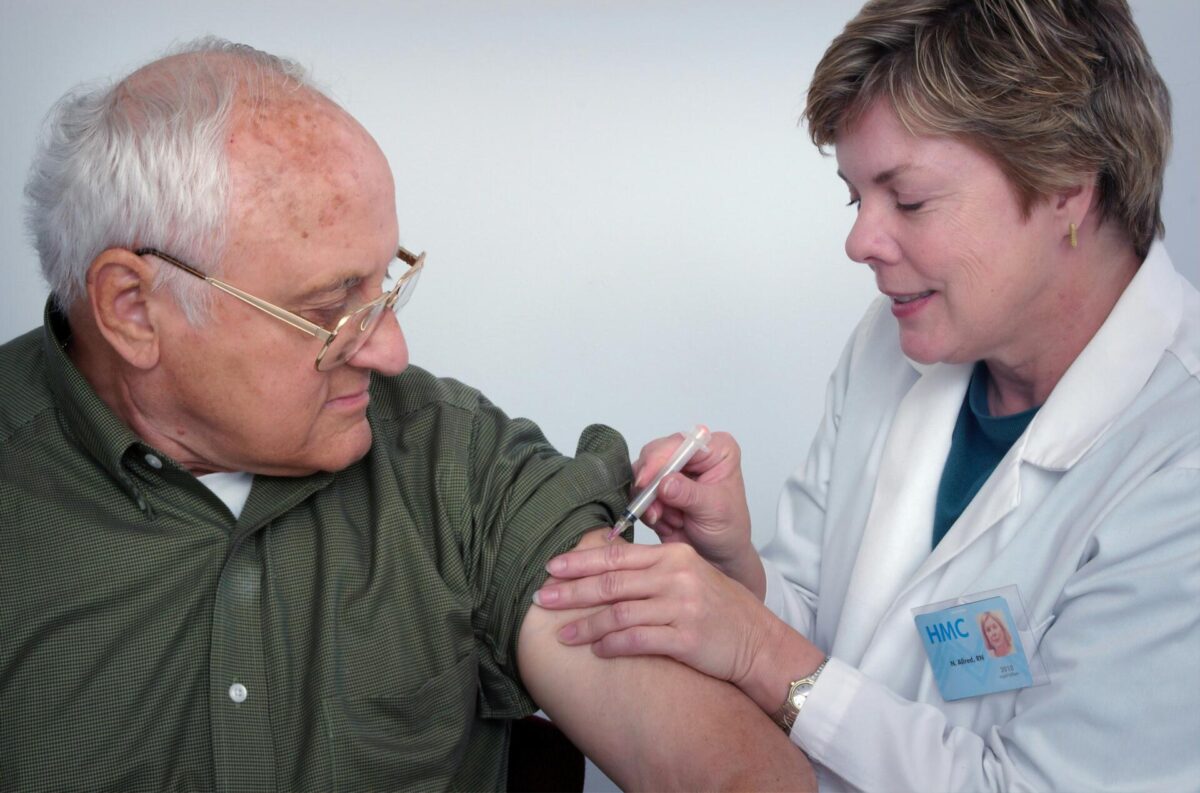
The most important is to get the RSV vaccination, which was first developed in 2023. So far, if you got the vaccine, you don’t need another one — time will tell if this changes in the future. If you have not gotten the RSV vaccine, this is a perfect time to get it, before RSV season gets full blown.
Other ways to lower your risk of getting RSV include washing your hands with soap and water and wearing a mask if you are around someone who is sick. If you sneeze or cough, do it in your elbow, not your hand.
So enjoy the fall, stay healthy, and if you haven’t yet gotten the RSV vaccine, go ASAP to your local pharmacy!